 |
| |
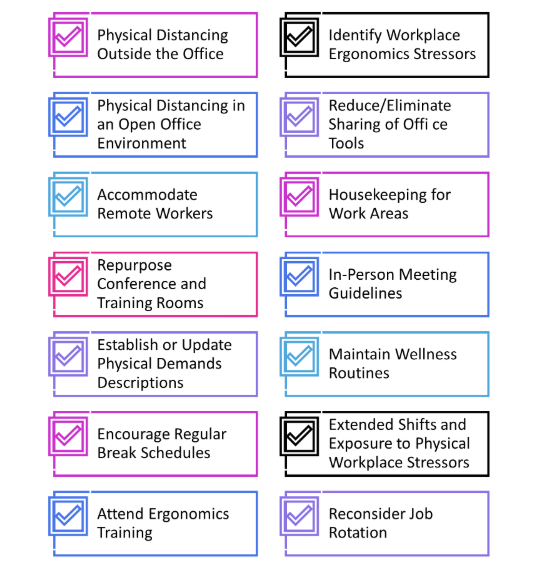
Figure 1: The implementation of ergonomics in empowering the workforce after COVID-19 pandemic
(Sigahi et al., 2021; The Ergonomics Center, 2020).
|
| |
| |
Cognitive Issues in Industrial Revolution 4.0
|
| |
|
The outbreak of COVID-19 emerged as we are navigating through new era of industrial revolution, the Industrial Revolution 4.0 (IR4.0). This new era is marked by modern digitalized work environments where the work performance relies heavily on cognitive functioning. Cognitive function is a high mental process involving information processing for example learning, working memory, attention, and decision making. In knowledge work jobs, these demands are significant where workers are required to working with abstract knowledge, creating and applying knowledge, as well as continuous on the-job learning (Kalakoski et al., 2020). As a result, workers are exposed to cognitive-strained working conditions. This situation happens when work demands or working conditions are affecting the work performance, since they influence the workers’ ability to master cognitively demanding work tasks. If left unattended, cognitively straining working conditions will gradually impairing the workers’ cognitive functioning and task performance; the worst-case scenario they will lead to cognitive failures affecting overall performance.
|
| |
| |
Cognitive Ergonomics
|
| |
|
Cognitively straining conditions are manageable by implementing cognitive ergonomics principles (Kalakoski et al., 2020). The aims are to reduce harmful consequences on individual employees, team members, organizations, and society. Cognitive ergonomics has its roots in the human cognitive functioning and the conditions affecting them, and on designing human-system interaction (HMI) at workspace compatible with human cognitive abilities and limitations. Engineering the human cognitive function revolve around the human factors practices improving work performance and promote beneficial well-being. In practice, the ‘cognitive engineering’ processes are by means of interventions on the interaction between work, product and environment, and human needs, capabilities and limitations based on ergonomics principles.
Cognitive ergonomics theoretical foundation lies on the ‘human information-processing’ model of cognition which describes how human perceive (Perceptual Encoding), think about (Central Processing), and respond to stimuli (Responding) in the world.
|
| |
| |
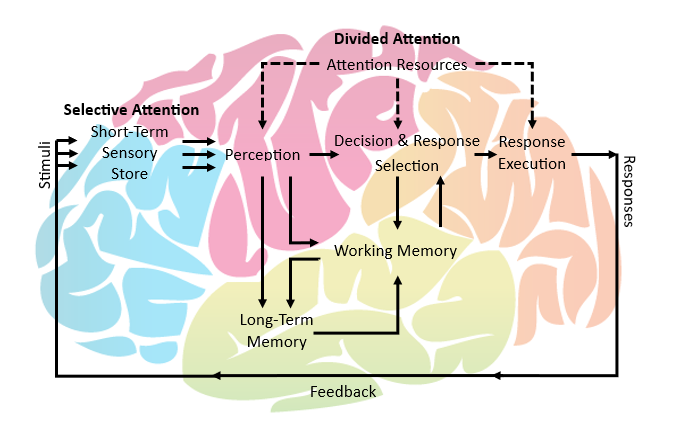 |
Figure 2: The algorithm explaining the Human Information Processing model (Branaghan & Lafko, 2020).
(This Photo (brain image) by Unknown Author is licensed under CC BY-NC)
|
| |
| |
|
The sensory organs such as vision, audition, and touch gather and analyse the physical characteristics of incoming stimuli. Simultaneously, perception which is the combination of knowledge and expectations from long term memory (LTM) with the sensory information are constructed. It is the perception that enable us to aware, interpret, and recognize the stimuli around us.
In critical events, perception is responsible for impulsive behaviour, while during normal situations, the perceived information is thought about and manipulated, and is combined with other knowledge in working memory (WM). The ability to store instant information including perceived and activated information from LTM making the WM as a domain for various conscious processes, such as planning, understanding, decision making, visualising, rehearsing and problem solving. However, WM only able to hold information in a limited amount for a short period of time, hence if we want to keep the information remain active, we will require effortful attention.
The Human Information Processing model, as sophisticated as it was designed, however, people are born with a limited pool of cognitive resources, especially working memory and attention. Hence, our cognitive system is exposed to becoming overwhelmed, ineffective, and error. These problems might not be addressed in normal daily routines, but they are virtually certain in a complex, high stress, and high consequence environment such as factory, office and healthcare service.
|
| |
| |
Cognitive Engineered Solution
|
| |
|
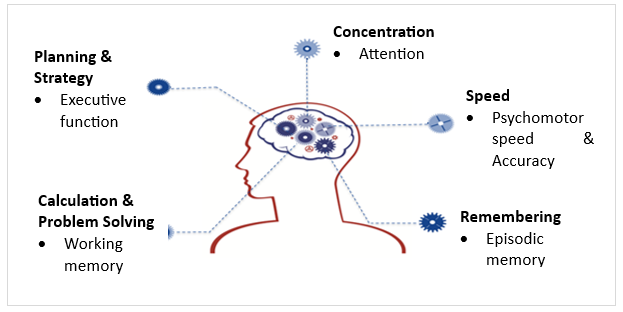
Our mind is the home for task executions, in the way that our understanding of the situation goals, means, and constraints will determine the quality of tasks. Figure 3 below demonstrates the five key cognitive domains to briefly expand our understanding on our brain function.
|
| |
 |
| |
Figure 3: The five cognitive domains which govern our thinking processes.
|
| |
| |
|
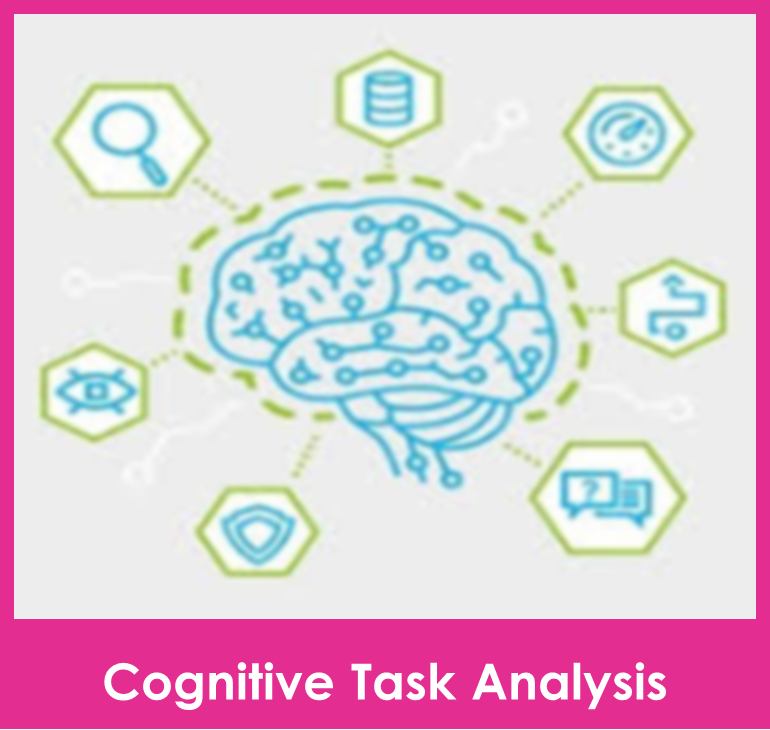
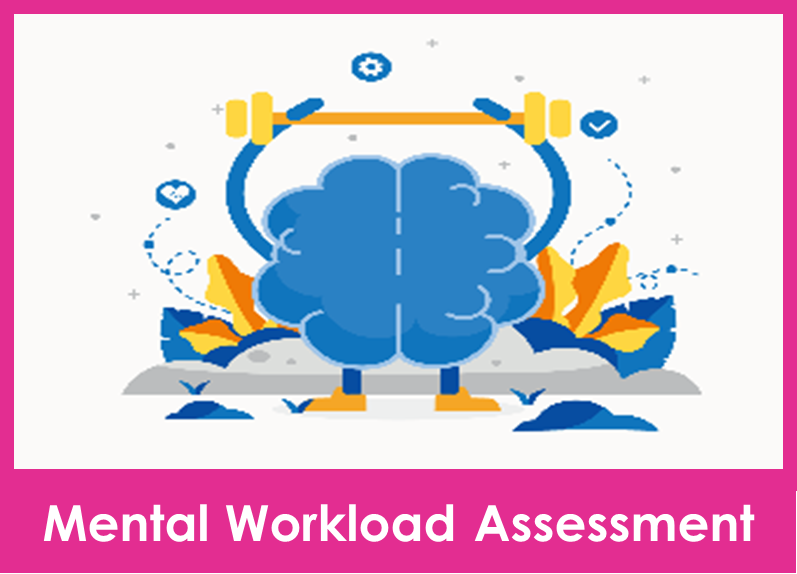
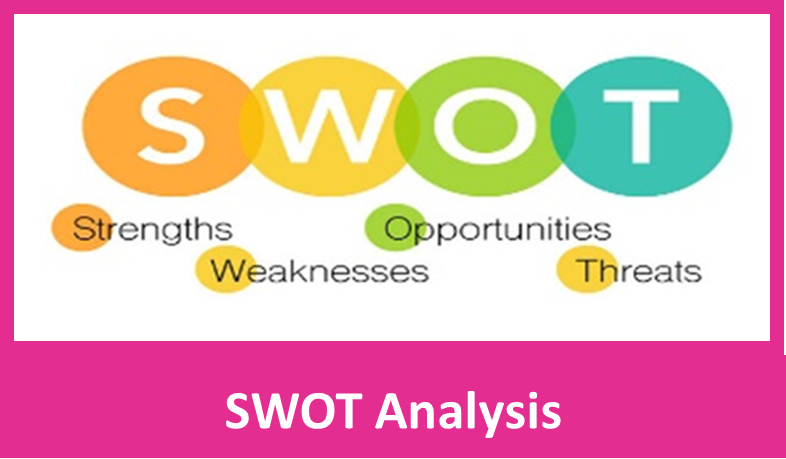
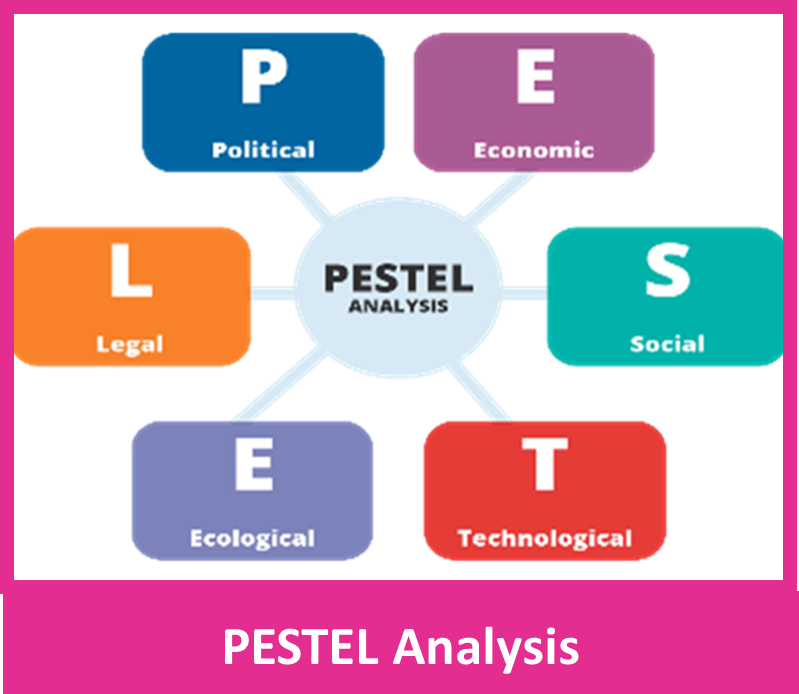
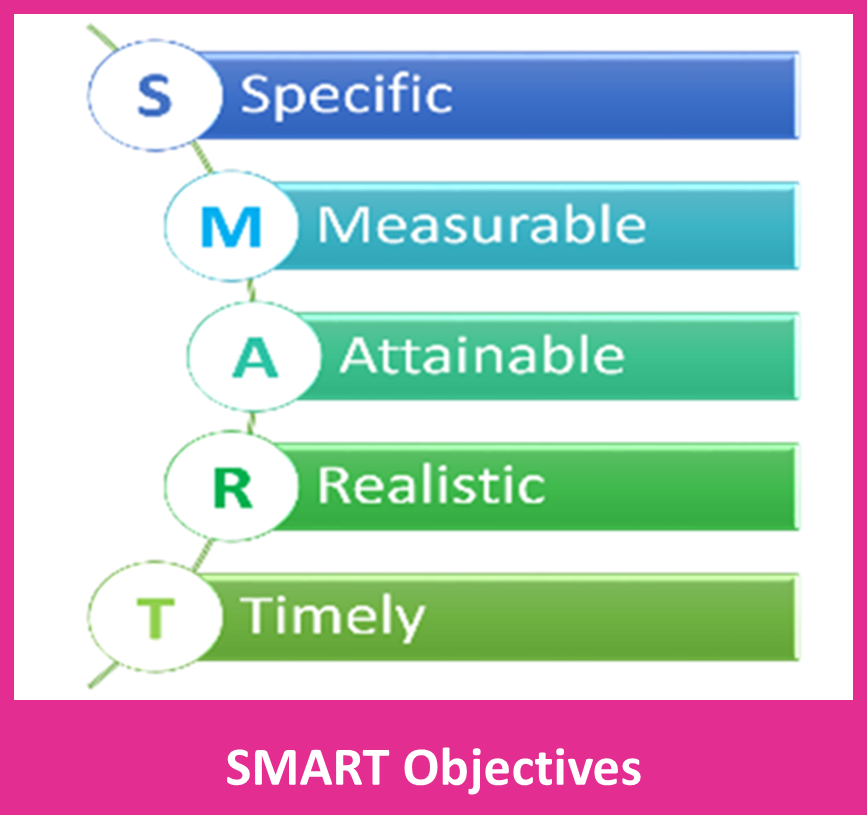
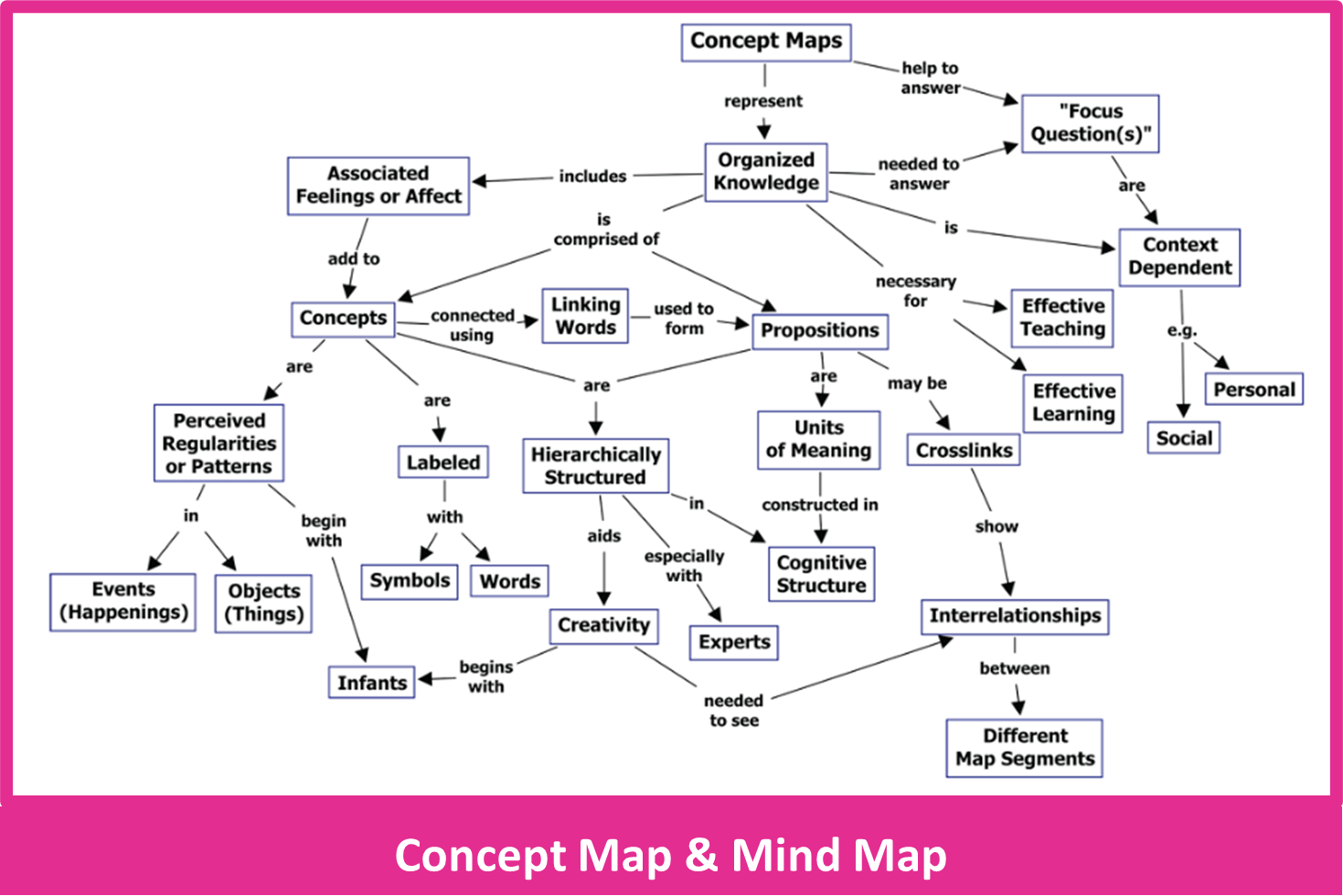
The previous industrial revolution amplified the human capabilities to perform physical tasks, however, as mentioned above, the era of IR4.0 is where work performance relies heavily on cognitive functioning. Hence, we are in need of cognitive engineered solution for issues of human factors & human cognition in work domain, with intent to enhance human performance. In general, cognitive engineered solution merely a term to describe application of cognitive tool and cognitive strategy in task execution. Cognitive tool in specific refers to various communication methods such as visualisations, metaphors, symbols, and hypermedia; or interactive interfaces and environments such as templates, databases, simulations, games, and collaborative media.[8] While cognitive strategy is a “procedural, purposeful, effortful, willful, essential, and facilitative” mental processes in problem solving or task execution.[9] In practice, cognitive tool and strategy as described in Figure 4 to Figure 9 are utilized in various area of business, education, politics, and industries for one sole purpose which is to improve performance.
|
| |
 |
|
 |
|
| |
|
|
|
| |
Figure 4: Method utilizes interview and observation to capture description
of knowledge used by experts to perform complex tasks (Richard E. Clark, 2007).
|
|
Figure 5: Method to assess mental capacity and task demand
in achieving a certain level of performance (Cain, 2007).
|
|
| |
|
|
|
|
| |
|
|
|
|
| |
 |
|
 |
|
| |
|
|
|
| |
Figure 6: Analysis tool that evaluates the internal strengths and weaknesses,
and the external opportunities and threats in an organization’s environment
(Sammut-Bonnici & Galea, 2015).
|
|
Figure 7: A situational analysis tool in reference to the acronym
formed by the initials of the six categories of macroeconomic variables
(Alanzi, 2018).
|
|
|
 |
| |
Figure 8: An acronym of a goal setting tool components to design a clear direction
for action planning and implementation (Ogbeiwi, 2017).
|
| |
| |
 |
| |
Figure 9: A diagrammatic overview of key ideas associated with a particular topic,
that indicates how the ideas relate to each other (Cañas, n.d.).
|
| |
| |
| |
Conclusion
|
| |
|
Thanks to the information technology revolution which took place in the last half of the twentieth century, now we have observed significant changes in the nature of task execution and work system. This dynamic situation proves that physical ergonomics alone unable to adequately address the issues related to task execution and work system. In present days working landscape, the work system and task execution rely heavily on thinking rather than doing; to be specific, they depend on the mind states rather than the body conditions. In simple analogy, body in a cocoon might be in perfect balance and without any physiological or biomechanical stresses, even so, the influence of the task execution over the mind continues and might determine the quality of performance. Globally, we are experiencing situation where the physical interaction between human and working environment becoming lessen over time, therefore, the integration of ergonomics principles into models and methods development is a must. In expressing this crucial matter, cognitive ergonomics is the answer, but we should not see it as antithetical to physical and organizational ergonomics. Rather, they should be utilized in collaborative manner in addressing, understanding, and solving the problems of work and task execution in the twentieth century.
|
| |
| |
Reference:
|
| |
| |
-
Alanzi, S. (2018). Pestle Analysis Introduction. https://www.researchgate.net/publication/327871826
-
Branaghan, R. J., & Lafko, S. (2020). Chapter 120 - Cognitive ergonomics. In E. Iadanza (Ed.), Clinical Engineering Handbook (Second Edition) (pp. 847–851). Academic Press. https://doi.org/https://doi.org/10.1016/B978-0-12-813467-2.00121-8
-
Cain, B. (2007). A Review of the Mental Workload Literature. http://www.google.com
-
Cañas, A. J. (n.d.). The Theory Underlying Concept Maps and How to Construct Them 1. http://cmap.ihmc.us/Publications/ResearchPapers/TheoryUnderlyingConceptMaps.pdf
-
Hiscott, J., Alexandridi, M., Muscolini, M., Tassone, E., Palermo, E., Soultsioti, M., & Zevini, A. (2020). The global impact of the coronavirus pandemic. Cytokine and Growth Factor Reviews, 53, 1–9. https://doi.org/10.1016/j.cytogfr.2020.05.010
-
Kalakoski, V., Selinheimo, S., Valtonen, T., Turunen, J., Käpykangas, S., Ylisassi, H., Toivio, P., Järnefelt, H., Hannonen, H., & Paajanen, T. (2020). Effects of a cognitive ergonomics workplace intervention (CogErg) on cognitive strain and well-being: A cluster-randomized controlled trial. A study protocol. BMC Psychology, 8(1). https://doi.org/10.1186/s40359-019-0349-1
-
Ogbeiwi, O. (2017). Why written objectives need to be really SMART. British Journal of Healthcare Management, 23(7), 324–336. https://doi.org/10.12968/bjhc.2017.23.7.324
-
Richard E. Clark, D. F. F. J. J. G. van M. K. A. Y. S. E. (2007). Cognitive Task Analysis. In Handbook of Research on Educational Communications and Technology (3rd ed.).
-
Sammut-Bonnici, T., & Galea, D. (2015). SWOT Analysis. In Wiley Encyclopedia of Management (pp. 1–8). https://doi.org/https://doi.org/10.1002/9781118785317.weom120103
-
Sigahi, T. F. A. C., Kawasaki, B. C., Bolis, I., & Morioka, S. N. (2021). A systematic review on the impacts of Covid-19 on work: Contributions and a path forward from the perspectives of ergonomics and psychodynamics of work. In Human Factors and Ergonomics In Manufacturing (Vol. 31, Issue 4, pp. 375–388). John Wiley and Sons Inc. https://doi.org/10.1002/hfm.20889
-
The Ergonomics Center, N. C. S. U. (2020). Returning to Work During COVID-19: An Ergonomics Perspective.
-
World Economic Forum. (2020). Insight Report Challenges and Opportunities in the Post-COVID-19 World. www.weforum.org.
|
|
|
| |
| |
|
| |
|
Prepared by:
|